What we look for
- Favor breeds with documented cold tolerance rather than relying only on body size or appearance.
- Remember that large combs and wattles can increase frostbite risk even in otherwise hardy birds.
- Winter egg production and cold survival are different traits; a hardy hen may still slow down substantially in winter.
Top matches in the current database
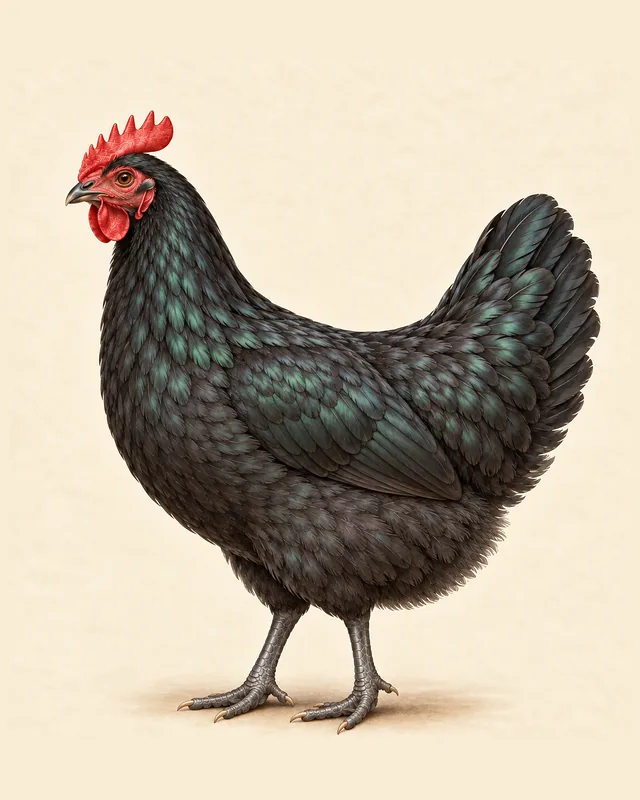
Australorp
Productive dual-purpose breed with strong cold-weather and family-flock fit.
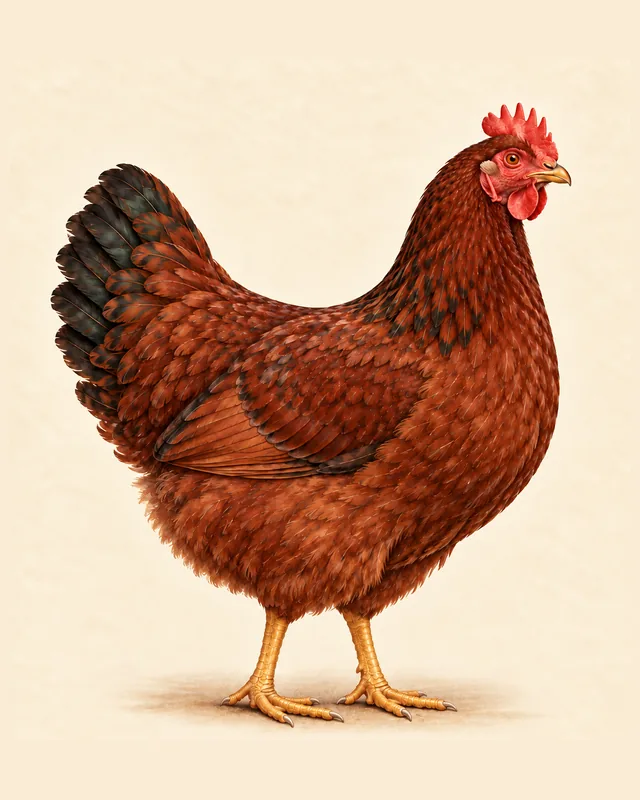
Rhode Island Red
Hardy, productive dual-purpose breed with good foraging ability.
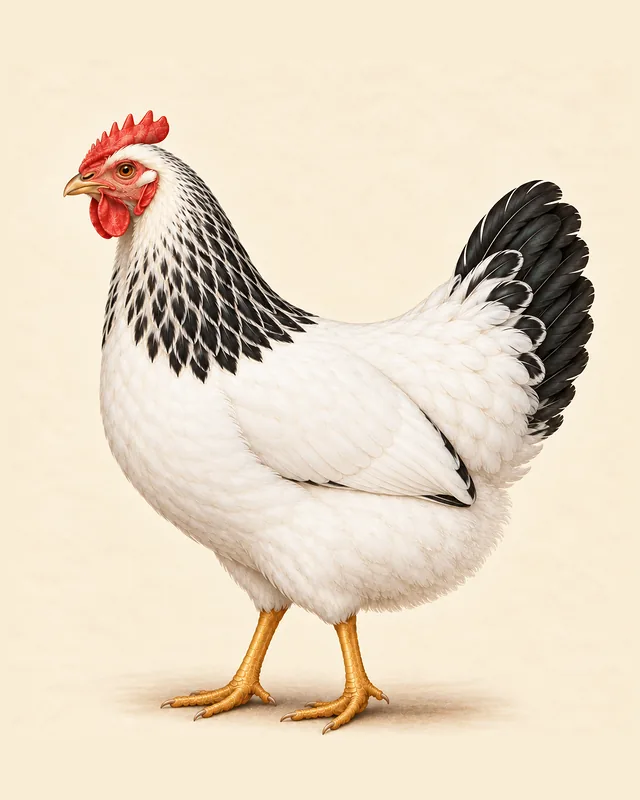
Sussex
Cold-hardy, productive, excellent-foraging dual-purpose breed.
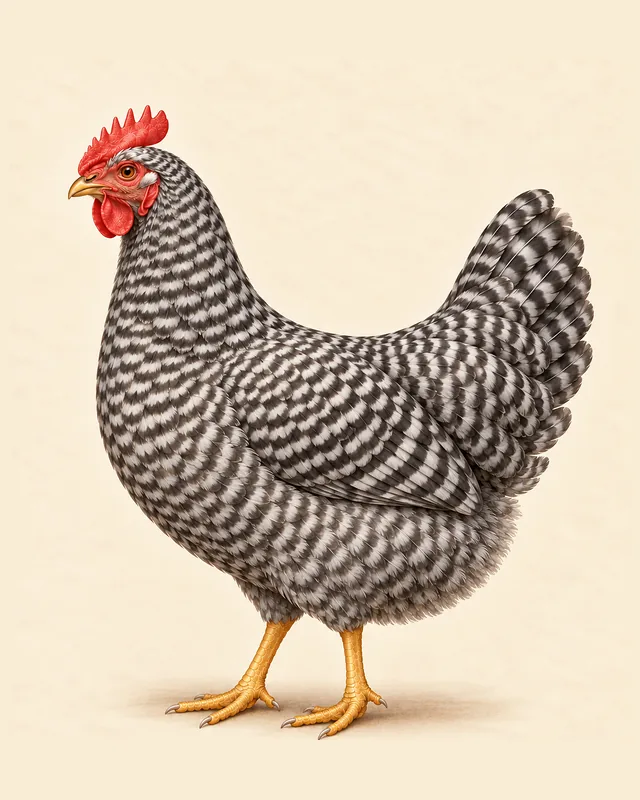
Plymouth Rock
Classic hardy dual-purpose breed; calm, beginner-friendly, and winter-capable.
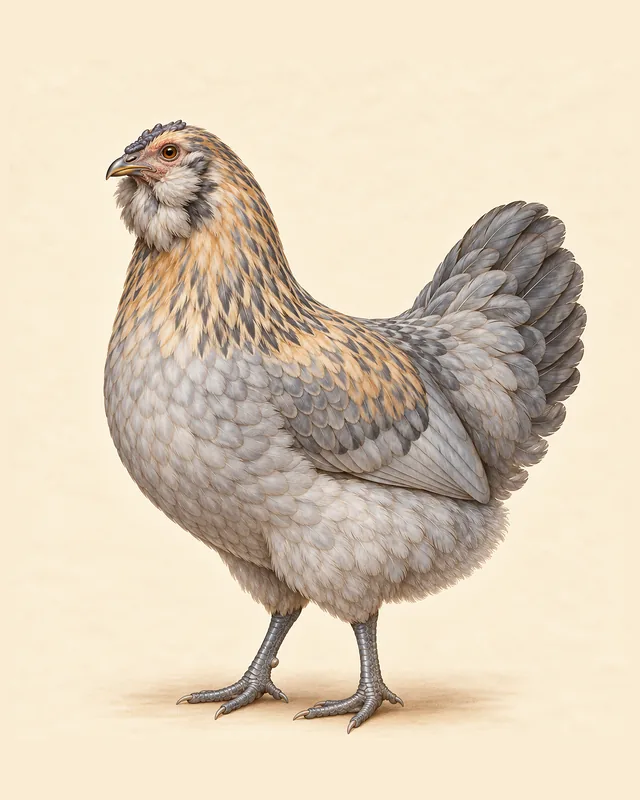
Ameraucana
Blue-egg breed with good cold-weather suitability and family appeal.
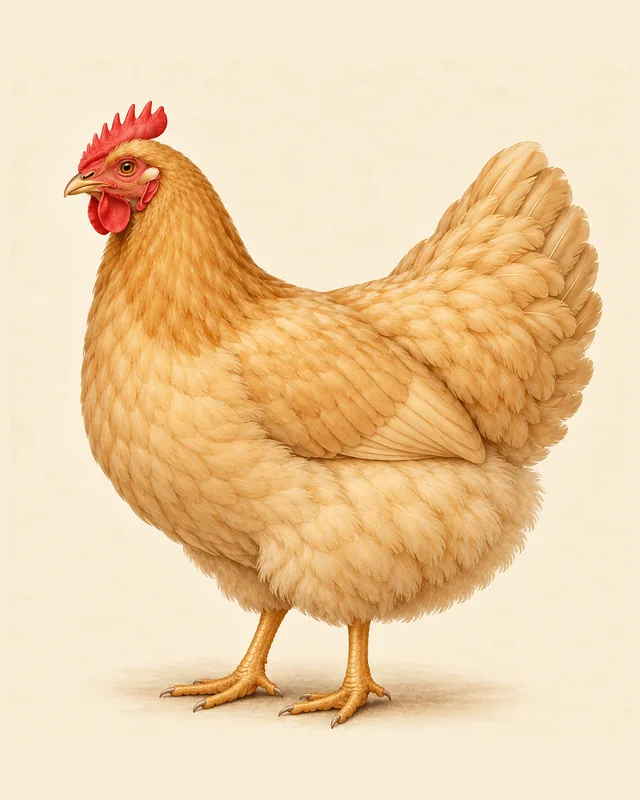
Orpington
Large, calm dual-purpose breed with strong cold-weather fit but weak foraging.
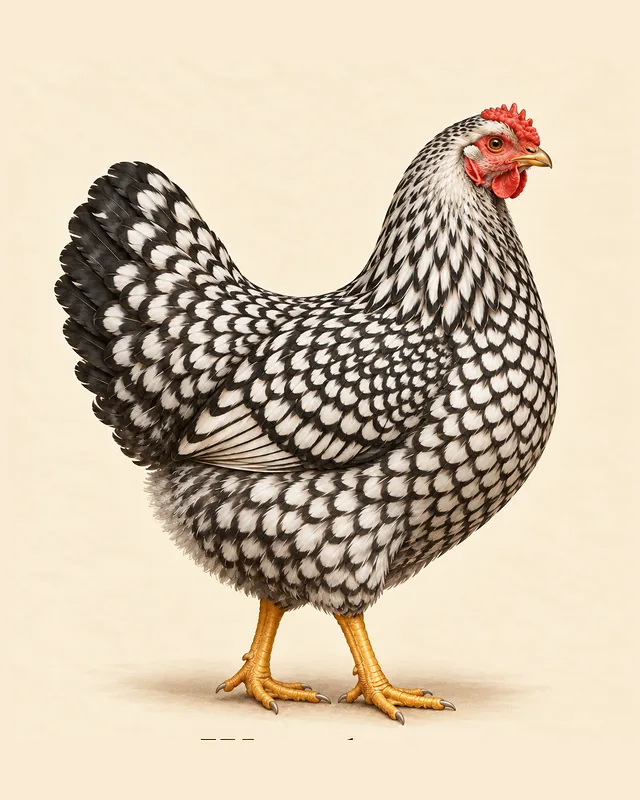
Wyandotte
Cold-hardy dual-purpose bird; less suited to high heat.
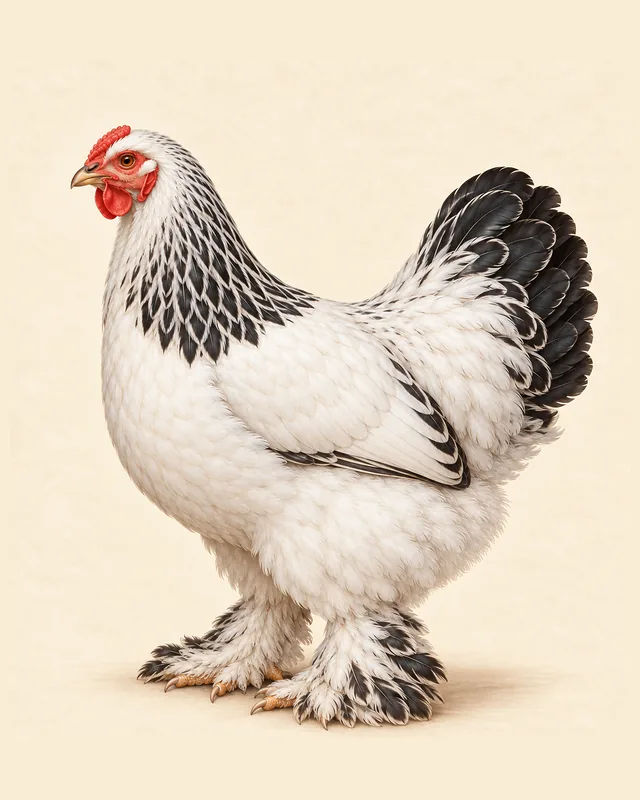
Brahma
Very large, extremely cold-hardy dual-purpose breed; not ideal for warm climates.
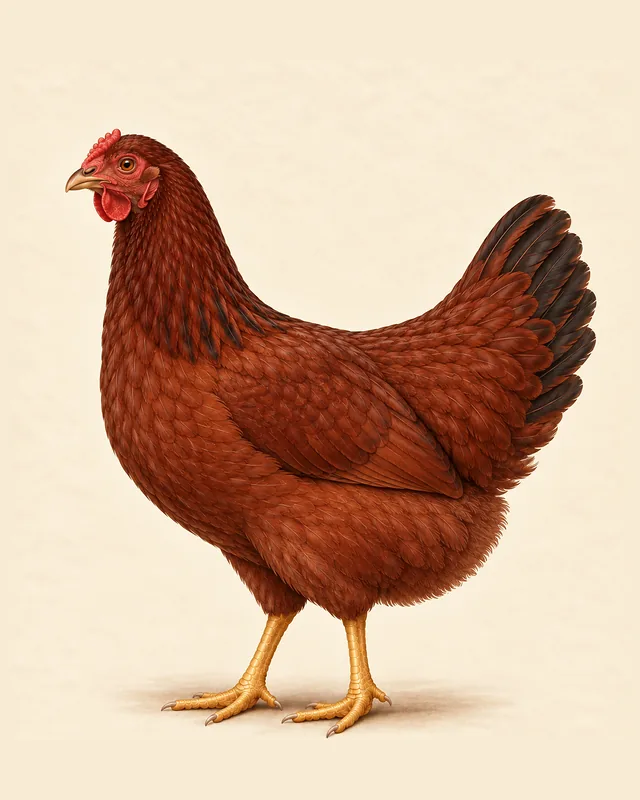
Buckeye
Cold-hardy American dual-purpose breed and exceptional ranger.
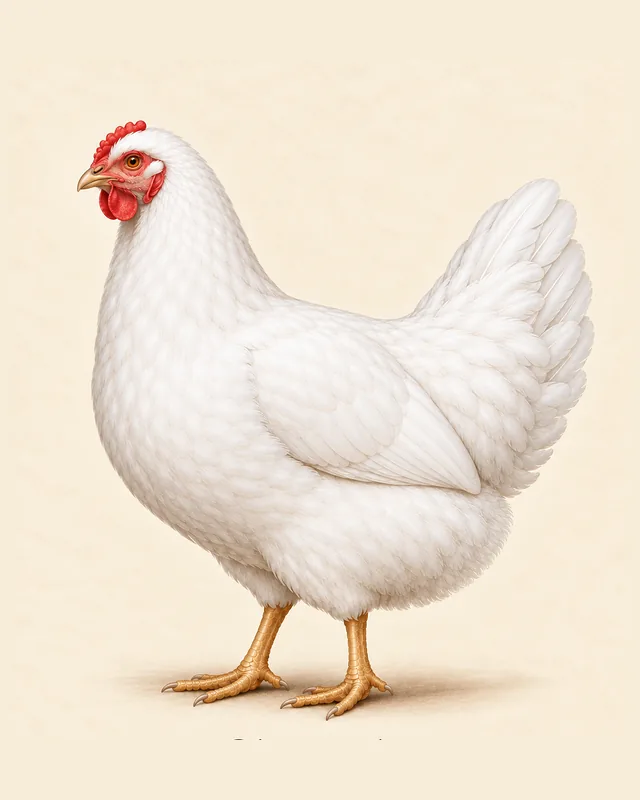
Chantecler
Canadian dual-purpose breed developed for severe cold; good winter layer.
A high cold-tolerance score does not eliminate the need for dry, draft-managed housing, unfrozen water, appropriate ventilation, and frostbite prevention.
Why the planner may give you a different answer
This page ranks one narrow use case. The interactive planner also considers coop and run capacity, egg needs, household handling, broodiness, desired egg colors, breed diversity, and other priorities. A breed that ranks highly here can still be a weaker whole-flock fit for a particular household.
Frequently asked questions
What makes a chicken breed cold hardy?
Cold hardiness is influenced by body size, feathering, comb and wattle exposure, overall condition, and the breed’s documented performance in colder climates. Housing and management still matter as much as breed choice.
Do cold-hardy chickens need heat in the coop?
Usually the priority is a dry, well-ventilated coop without direct drafts rather than routine supplemental heat. Local extremes and individual bird condition can change that decision.
Will cold-hardy breeds keep laying all winter?
Not necessarily. Cold tolerance and winter laying are separate traits, and daylight length also strongly affects laying rate.
Sources represented in this ranking
- Utah State University Extension: Managing Chickens From Chicks to Peak Egg Production
- Mississippi State University Extension: Choosing the Right Breed for Your Backyard Flock
- Mississippi State University Extension: Poultry Beginnings: Raise Your Own Backyard Chickens
- The Livestock Conservancy: Quick Reference Guide to Heritage Chickens
- University of Minnesota Extension: Caring for chickens in cold weather
- The Livestock Conservancy: Plymouth Rock Chicken
- The Livestock Conservancy: Buckeye Chicken
- The Livestock Conservancy: Chantecler Chicken