What we look for
- Calm, easy-to-handle birds can make daily care less stressful while you learn.
- Choose for your climate as well as temperament; an easy breed in one region may be a management challenge in another.
- Start with fewer birds than your absolute housing maximum so you have room to learn and adjust.
Top matches in the current database
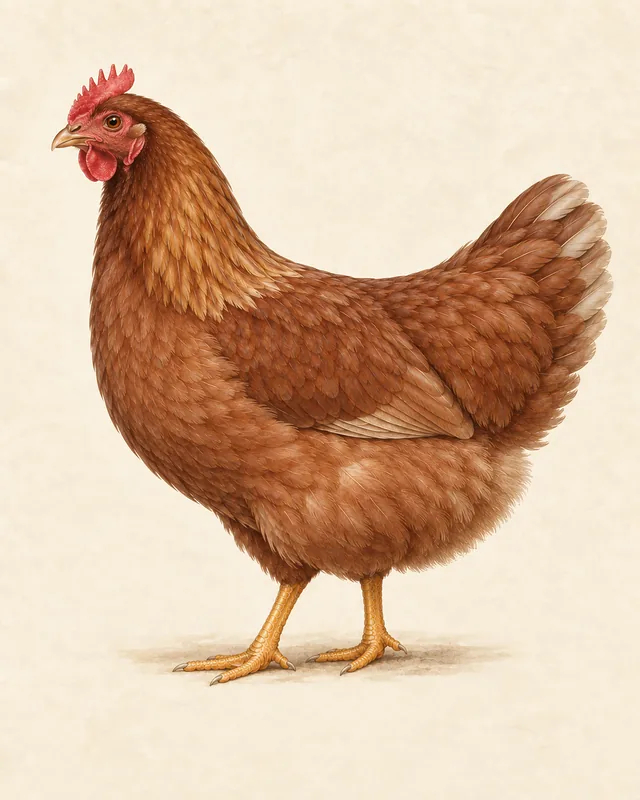
ISA Brown
High-output brown-egg hybrid; good beginner option.
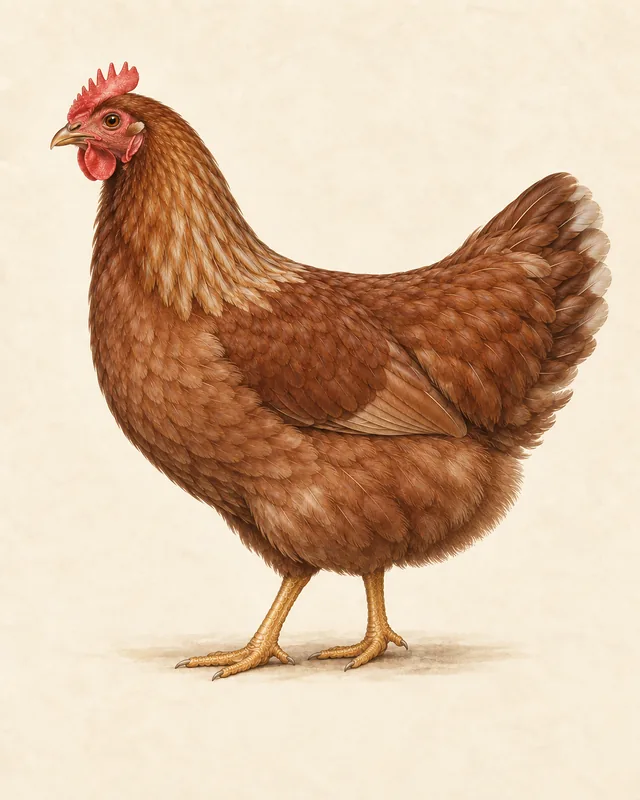
Lohmann Brown
Commercial-type high-output brown-egg hybrid.
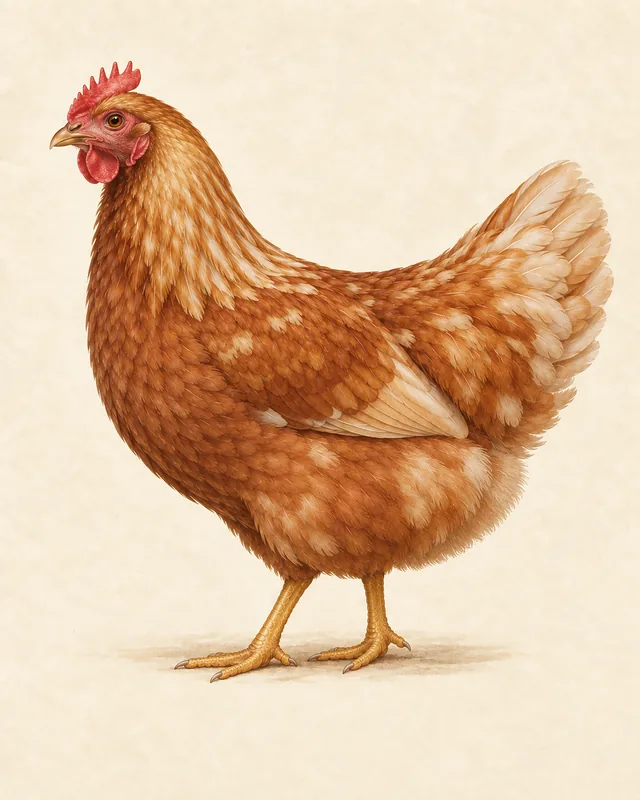
Golden Comet
Early-maturing, high-output brown-egg hybrid.
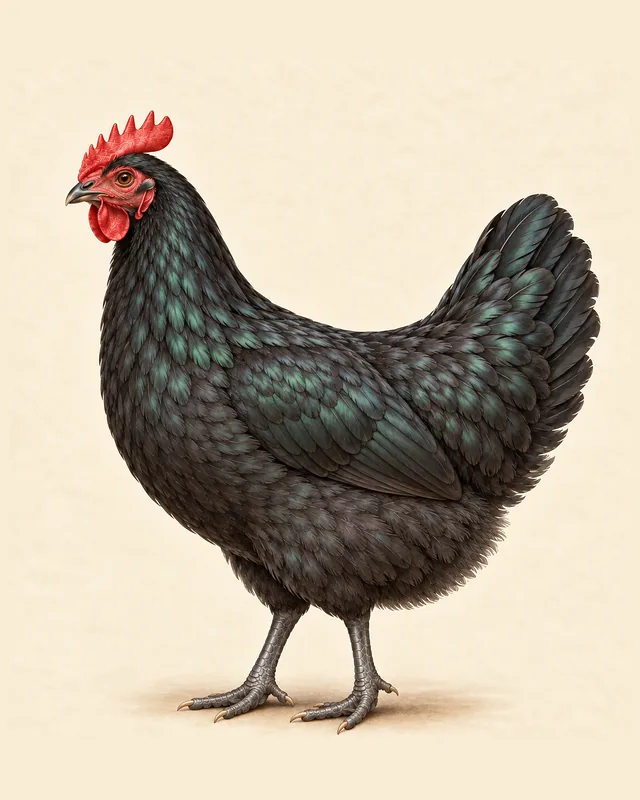
Australorp
Productive dual-purpose breed with strong cold-weather and family-flock fit.
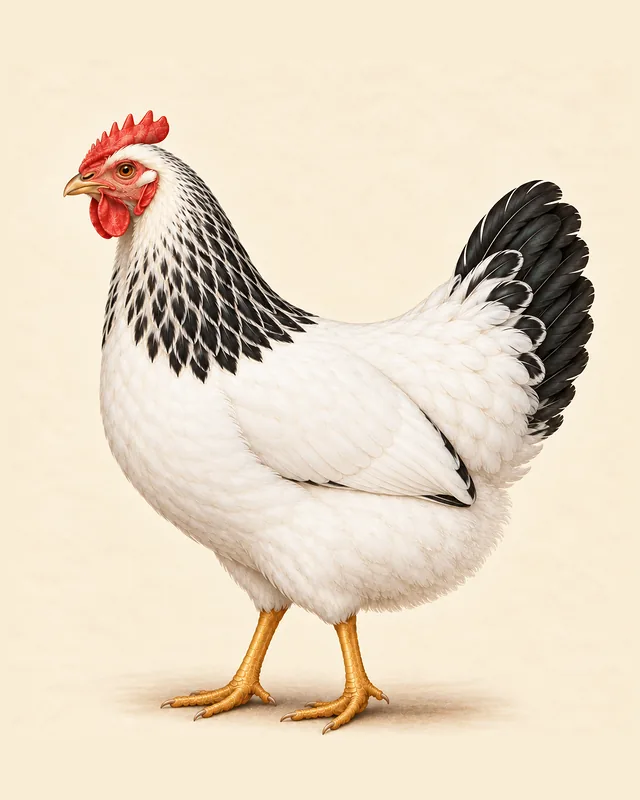
Sussex
Cold-hardy, productive, excellent-foraging dual-purpose breed.
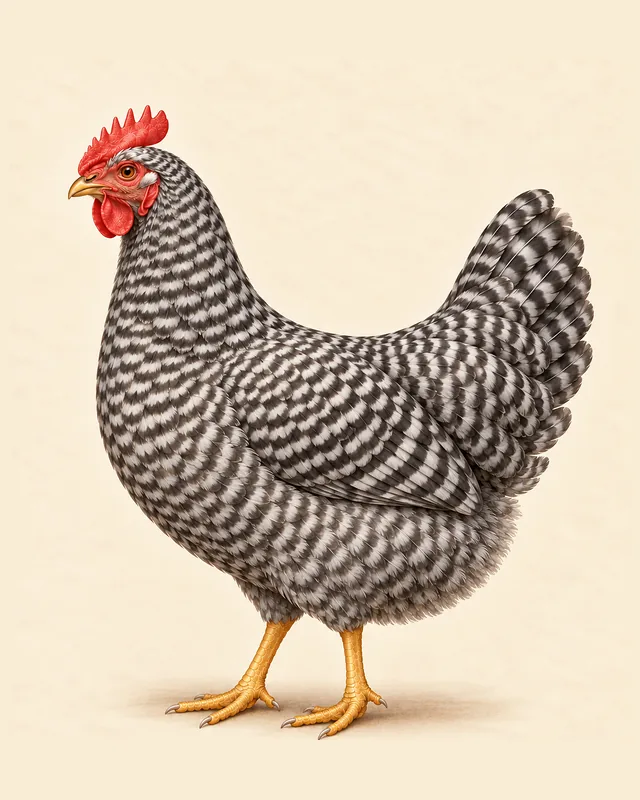
Plymouth Rock
Classic hardy dual-purpose breed; calm, beginner-friendly, and winter-capable.
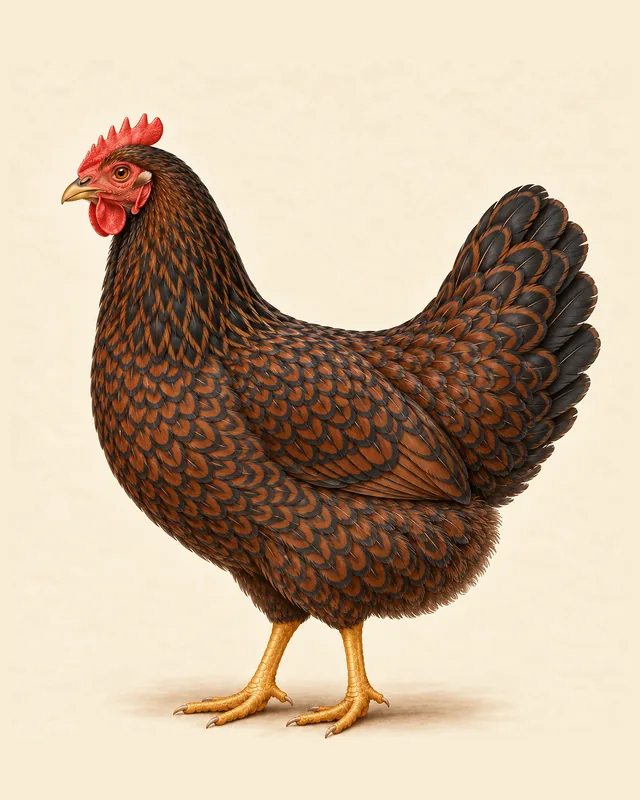
Barnevelder
Calm dark-egg heritage breed; lower egg output than production breeds.
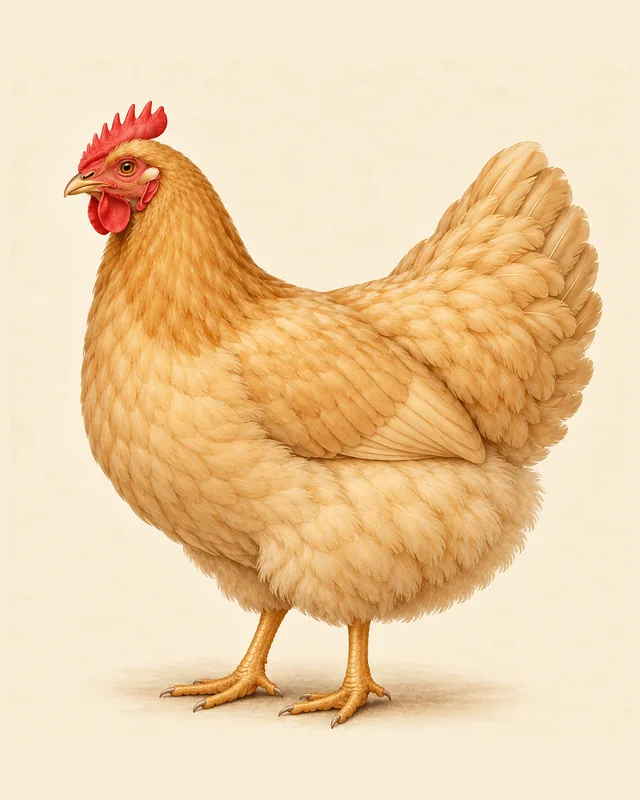
Orpington
Large, calm dual-purpose breed with strong cold-weather fit but weak foraging.
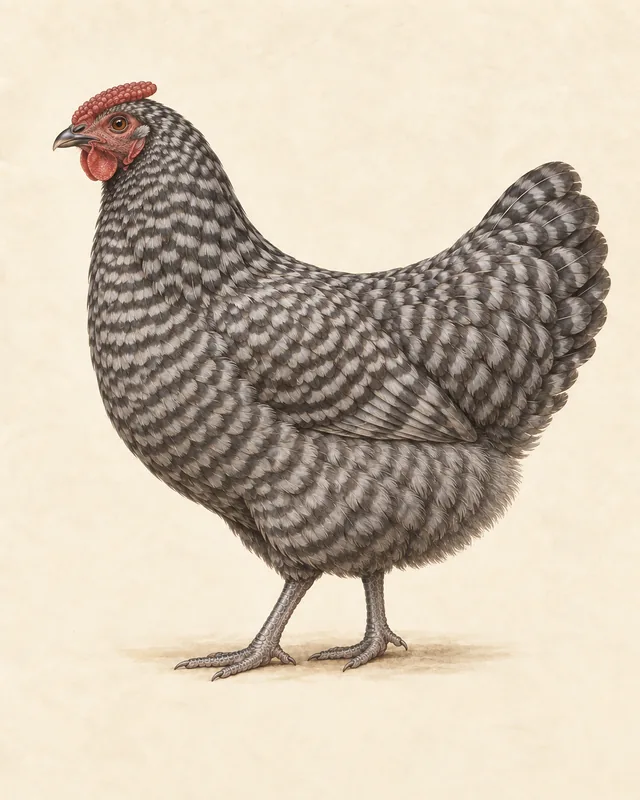
Dominique
Hardy American dual-purpose breed with good foraging ability.
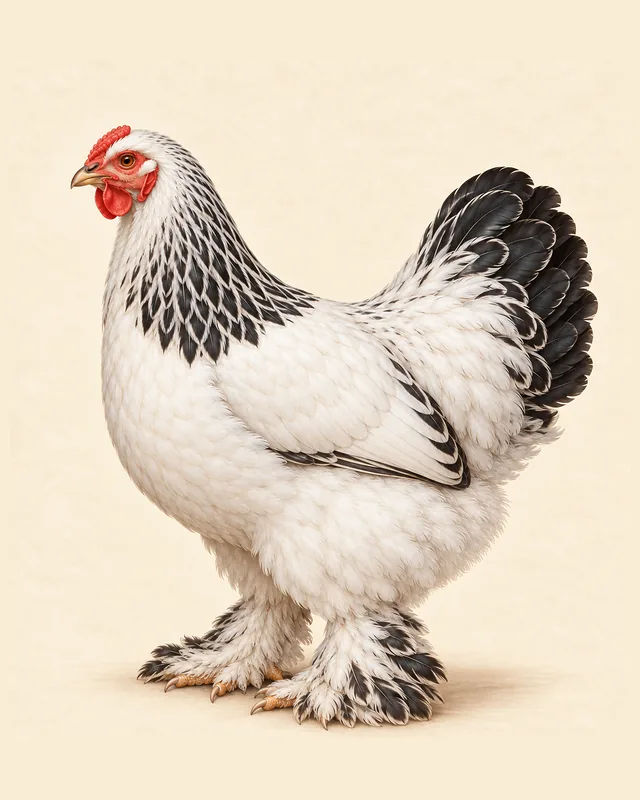
Brahma
Very large, extremely cold-hardy dual-purpose breed; not ideal for warm climates.
Availability, local climate, and the housing you already own can change which “beginner” breed is best for you.
Why the planner may give you a different answer
This page ranks one narrow use case. The interactive planner also considers coop and run capacity, egg needs, household handling, broodiness, desired egg colors, breed diversity, and other priorities. A breed that ranks highly here can still be a weaker whole-flock fit for a particular household.
Frequently asked questions
What makes a chicken breed good for beginners?
Calm temperament, straightforward housing needs, useful egg production, and broad climate suitability all help. The ranking emphasizes documented beginner friendliness and docility.
How many chickens should a beginner start with?
Many households find a small flock easier to learn with. The right number depends on coop and run capacity, local rules, and how many eggs you actually want.
Should beginners avoid flighty breeds?
Not necessarily, but active or flighty birds can be harder to handle and contain, especially in smaller yards.
Sources represented in this ranking
- Utah State University Extension: Managing Chickens From Chicks to Peak Egg Production
- eXtension / USDA-NIFA supported resource: Sex-Linked Traits in Poultry
- Mississippi State University Extension: Choosing the Right Breed for Your Backyard Flock
- Mississippi State University Extension: Poultry Beginnings: Raise Your Own Backyard Chickens
- The Livestock Conservancy: Quick Reference Guide to Heritage Chickens
- University of Minnesota Extension: Caring for chickens in cold weather
- The Livestock Conservancy: Plymouth Rock Chicken
- University of Maine Cooperative Extension: Maine Poultry Facts: Match Your Need to the Right Breed