What we look for
- Strong foragers may obtain more of their diet outdoors, but they still need a nutritionally complete ration.
- Active foragers often range farther, which can be an advantage or a management problem depending on your property.
- Predator awareness is difficult to document consistently, so do not rely on breed selection as your primary predator-control strategy.
Top matches in the current database
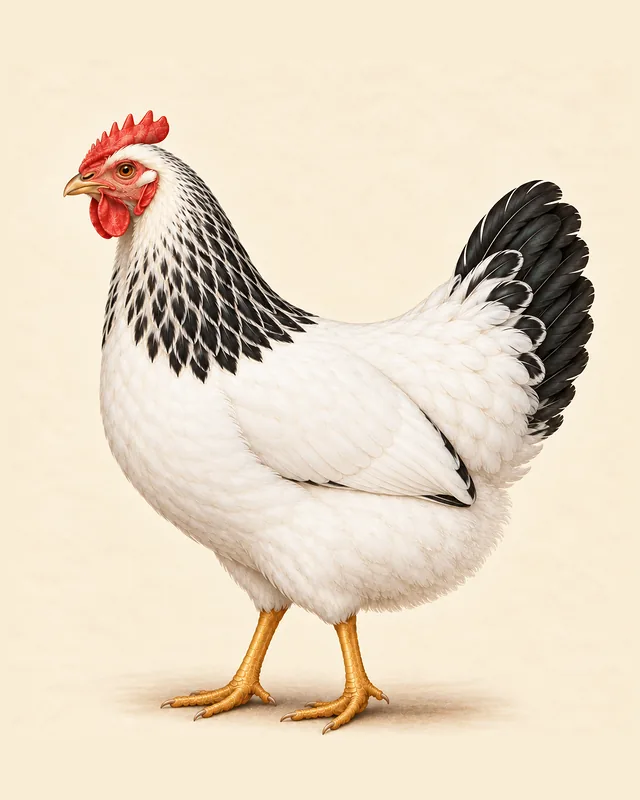
Sussex
Cold-hardy, productive, excellent-foraging dual-purpose breed.
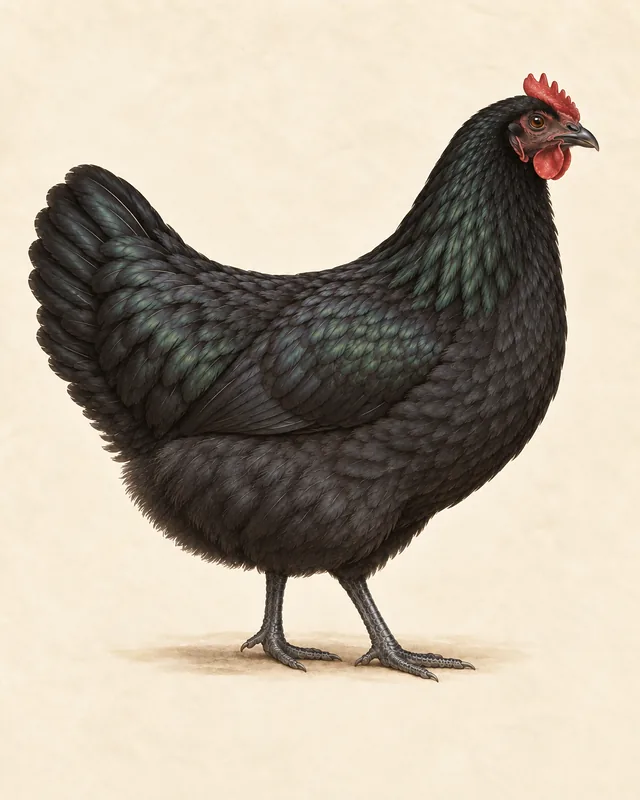
Java
Hardy, docile heritage dual-purpose breed and particularly good forager.
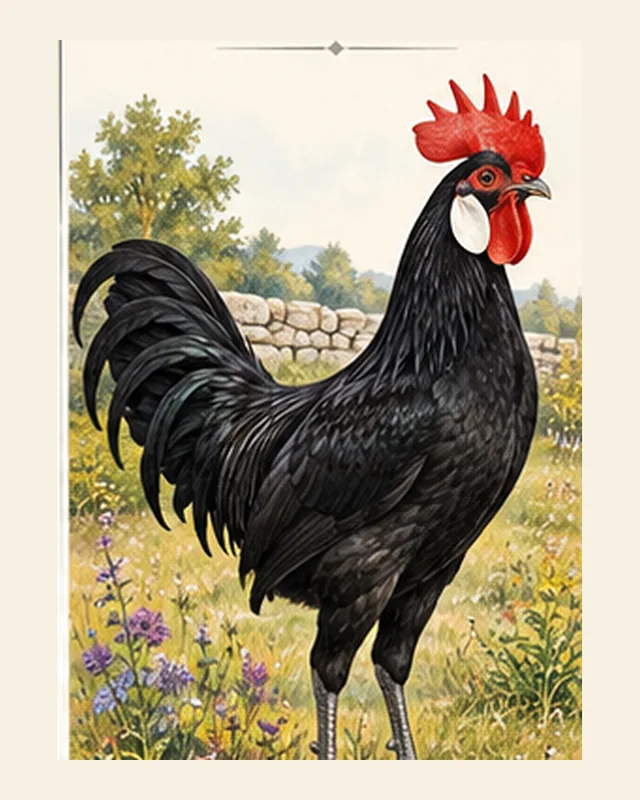
Minorca
Large Mediterranean white-egg breed: heat-tolerant, strong forager, but poor fit for severe cold or child-pet priorities.
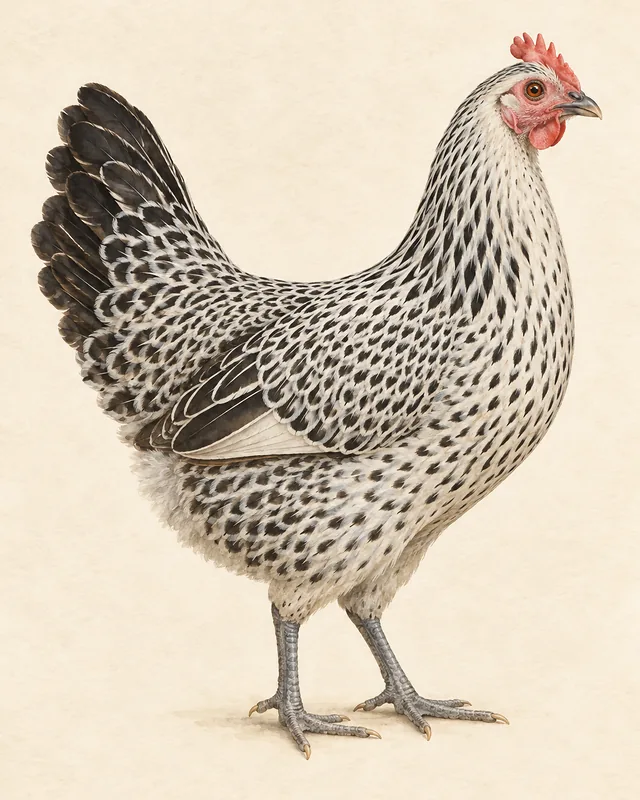
Egyptian Fayoumi
Very active, excellent-foraging layer suited to keepers prioritizing range behavior over docility.
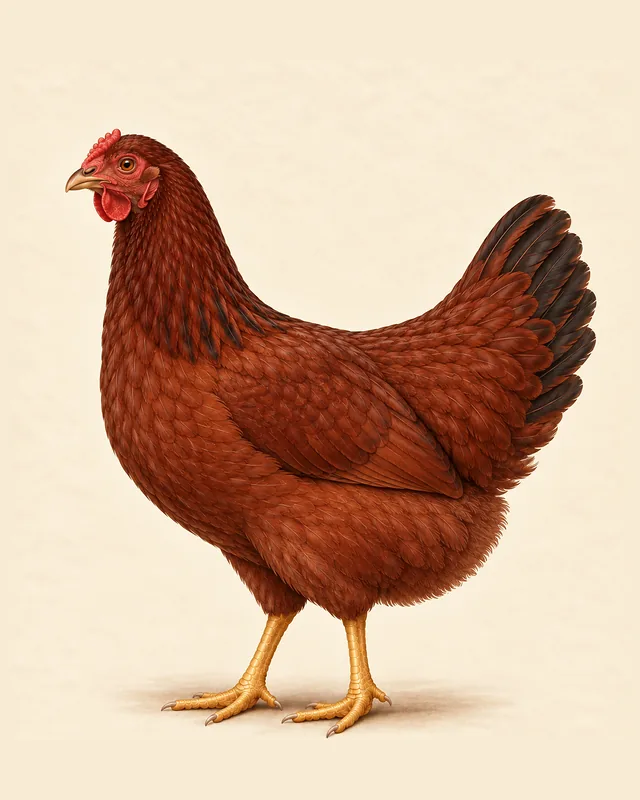
Buckeye
Cold-hardy American dual-purpose breed and exceptional ranger.
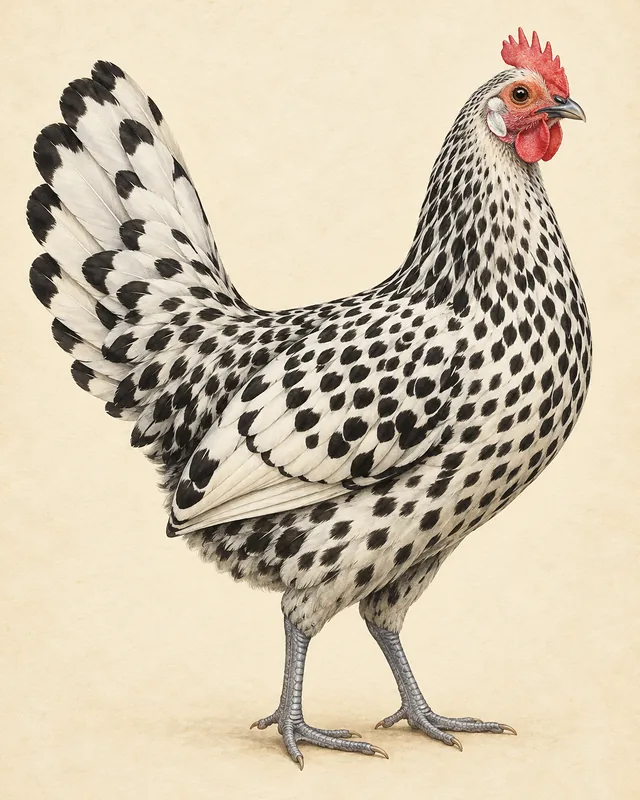
Hamburg
Active white-egg heritage layer; good foraging and predator evasion, poor fit for close handling or confinement.
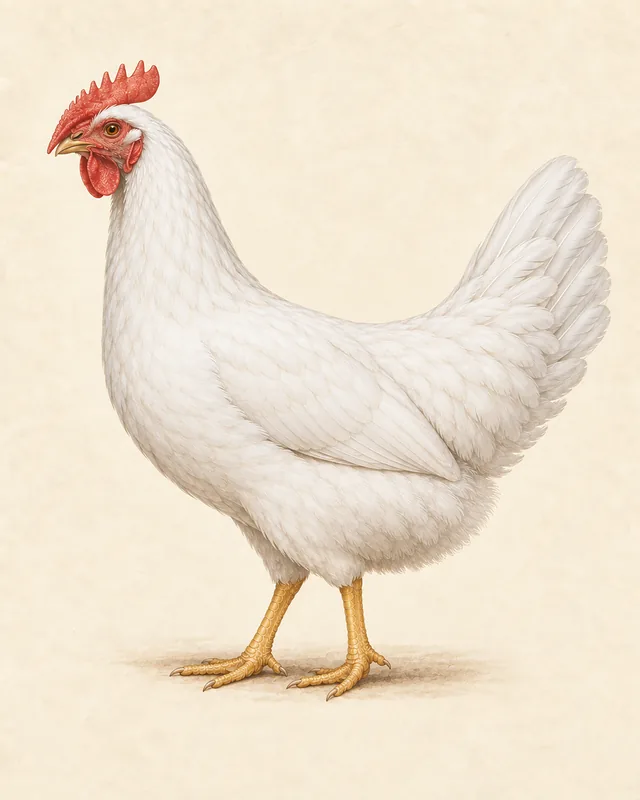
White Leghorn
Extremely productive, efficient white-egg layer; better fit for hot climates than very cold sites.
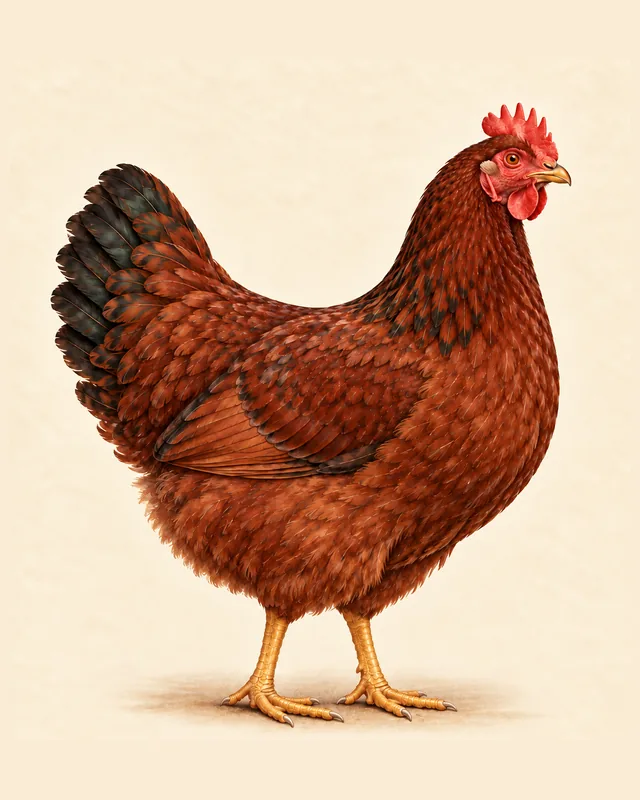
Rhode Island Red
Hardy, productive dual-purpose breed with good foraging ability.
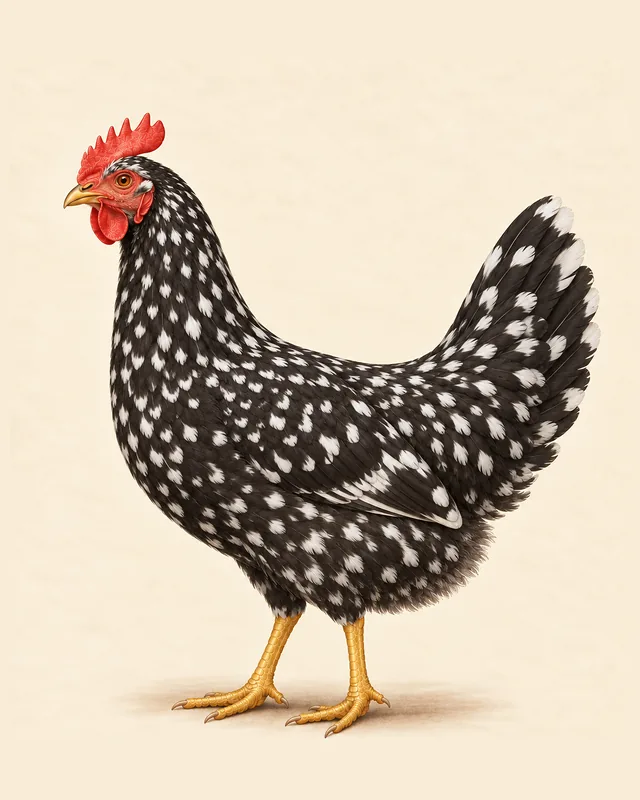
Ancona
Active Mediterranean white-egg layer that favors warm climates and foraging.
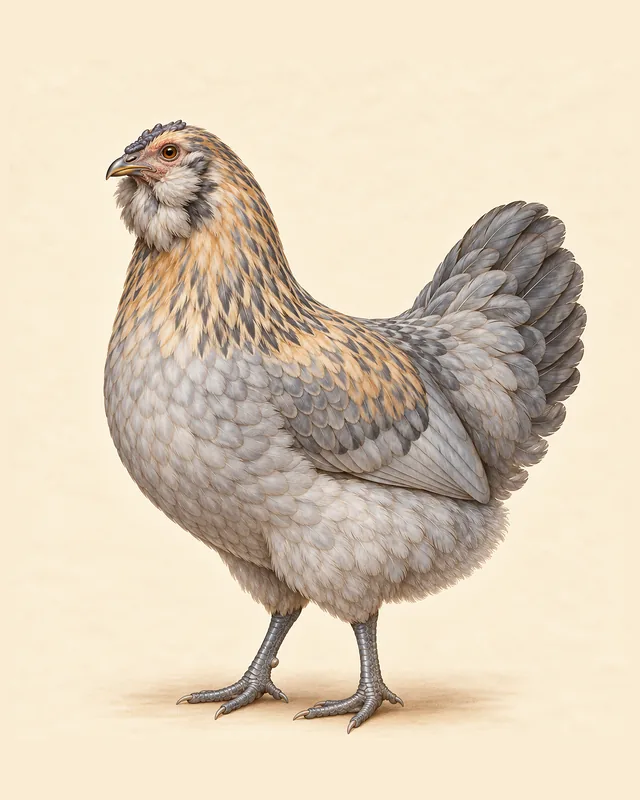
Ameraucana
Blue-egg breed with good cold-weather suitability and family appeal.
Good foraging does not make a chicken predator-proof. Secure housing and appropriate supervision remain important.
Why the planner may give you a different answer
This page ranks one narrow use case. The interactive planner also considers coop and run capacity, egg needs, household handling, broodiness, desired egg colors, breed diversity, and other priorities. A breed that ranks highly here can still be a weaker whole-flock fit for a particular household.
Frequently asked questions
What makes a chicken a good free-range bird?
Good foragers are active, willing to explore, and effective at using outdoor space. Some breeds are also more alert, although predator-awareness evidence is limited.
Do free-range chickens still need feed?
Yes. Foraging can supplement the diet but does not reliably provide complete nutrition.
Are good foragers harder to keep in a yard?
Sometimes. Highly active birds may roam farther or be more inclined to cross fences, so property layout matters.
Sources represented in this ranking
- Utah State University Extension: Managing Chickens From Chicks to Peak Egg Production
- The Livestock Conservancy: Quick Reference Guide to Heritage Chickens
- Mississippi State University Extension: Choosing the Right Breed for Your Backyard Flock
- Mississippi State University Extension: Poultry Beginnings: Raise Your Own Backyard Chickens
- The Livestock Conservancy: Minorca Chicken
- The Livestock Conservancy: Buckeye Chicken
- The Livestock Conservancy: Hamburg Chicken
- University of Minnesota Extension: Caring for chickens in cold weather