What we look for
- Treat coop and run capacity as a hard limit before choosing breeds.
- Smaller-bodied birds use less floor and roost space, but temperament and confinement tolerance still matter.
- If your run is small, avoid filling the coop to its theoretical maximum; lower stocking density usually makes management easier.
Top matches in the current database
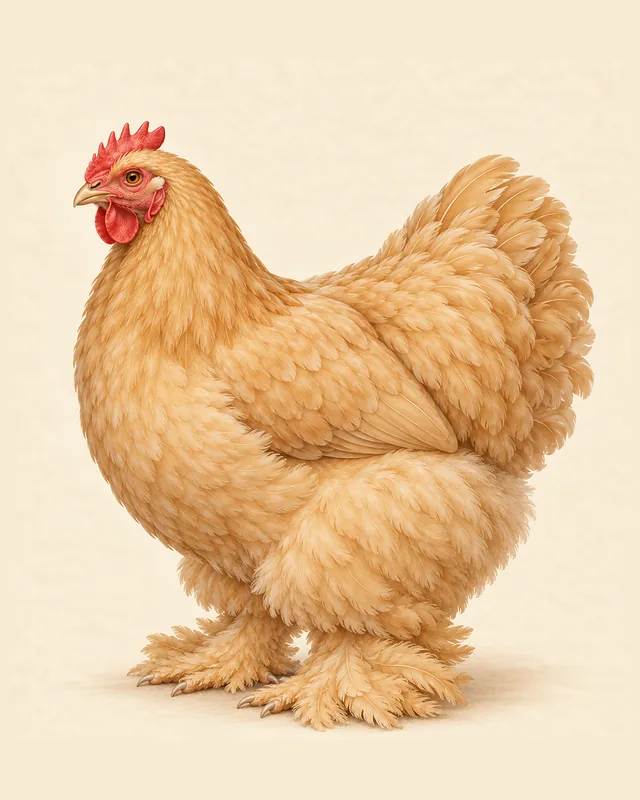
Cochin
Very gentle, highly broody, cold-climate breed; low-output relative to modern layers and requires large-bird housing.
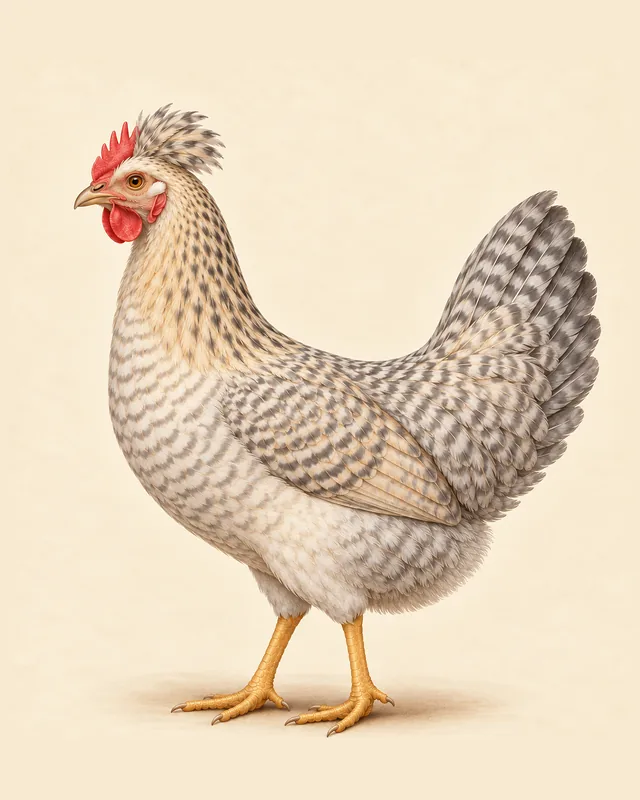
Cream Legbar
Crested, autosexing blue-egg layer with friendly temperament and good free-range ability.
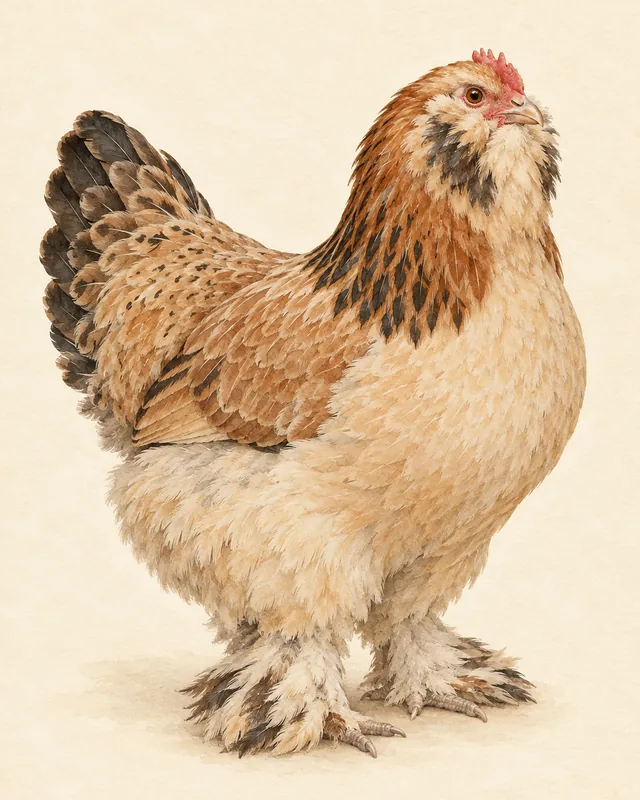
Faverolles
Gentle family-oriented dual-purpose breed known for winter laying; foraging and confinement evidence varies by source/line.
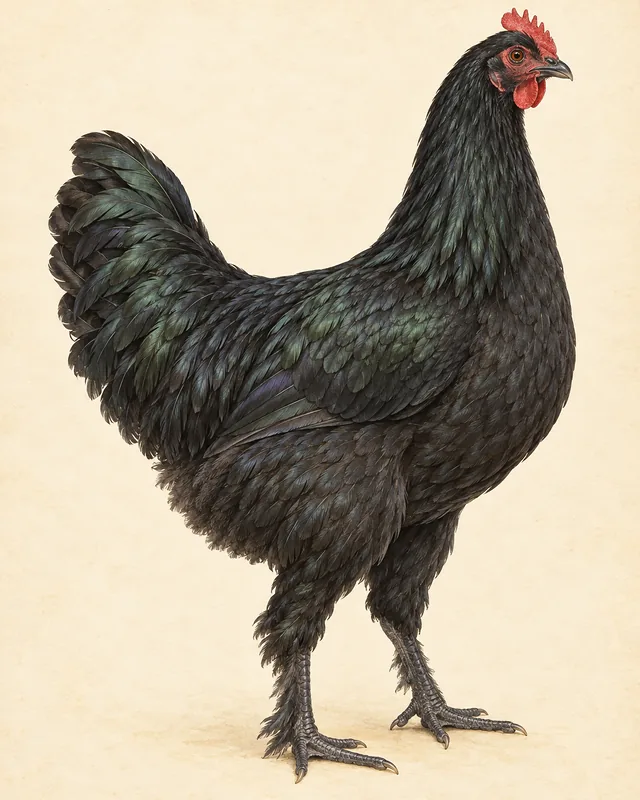
Langshan
Large calm general-purpose breed, good forager, and tolerant of confinement.
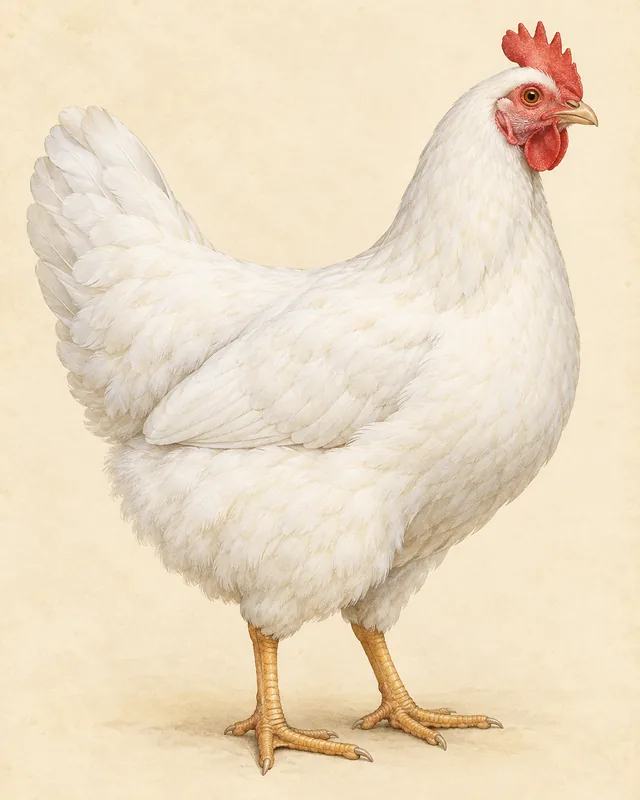
Rhode Island White
Versatile winter-laying dual-purpose breed that performs in confinement or on range.
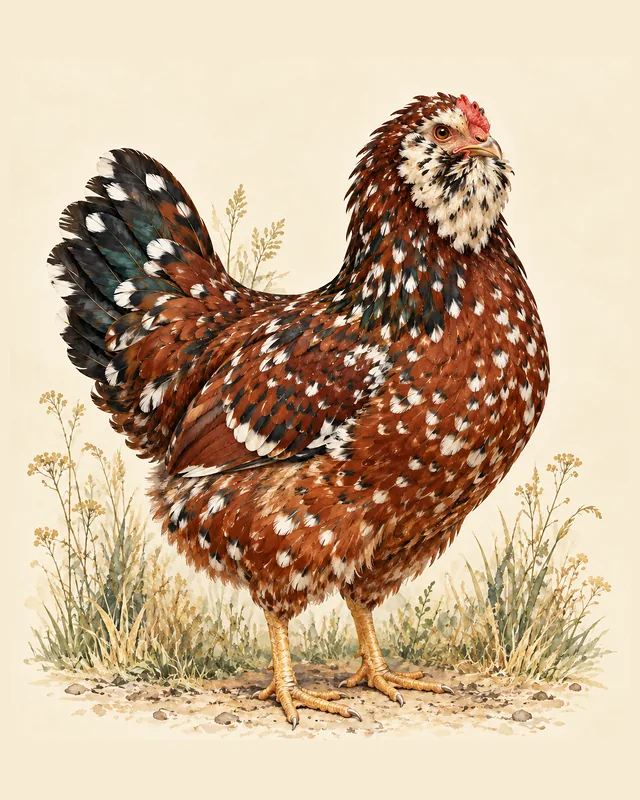
Russian Orloff
Exceptionally cold-hardy heritage breed with a calm, independent temperament and modest egg production.
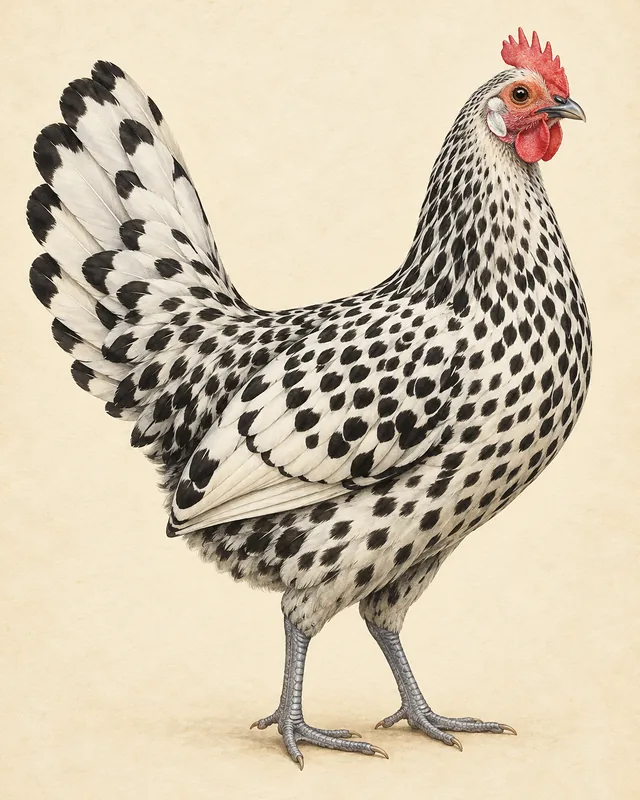
Hamburg
Active white-egg heritage layer; good foraging and predator evasion, poor fit for close handling or confinement.
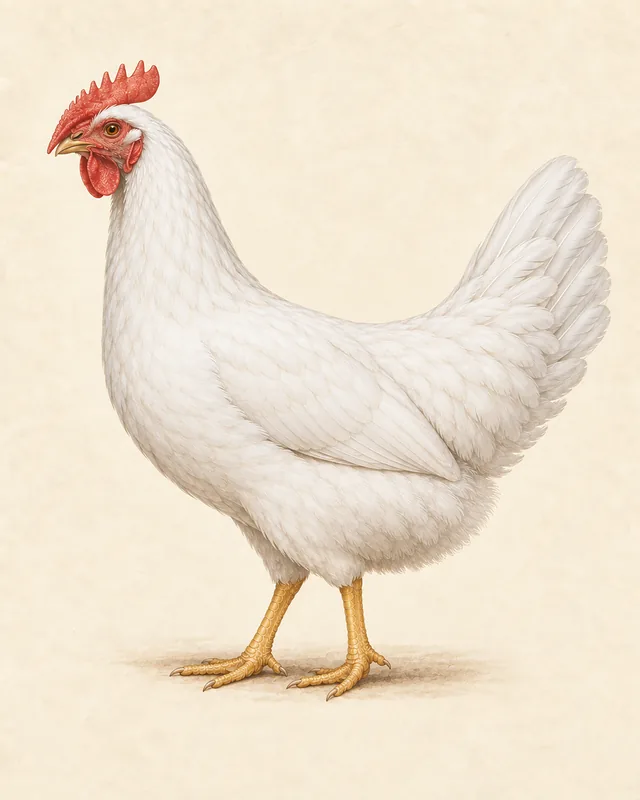
White Leghorn
Extremely productive, efficient white-egg layer; better fit for hot climates than very cold sites.
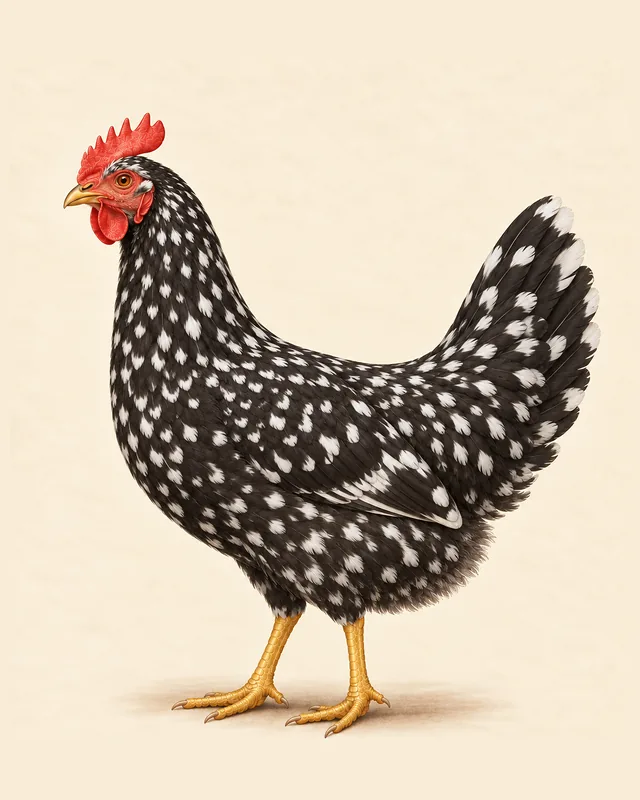
Ancona
Active Mediterranean white-egg layer that favors warm climates and foraging.
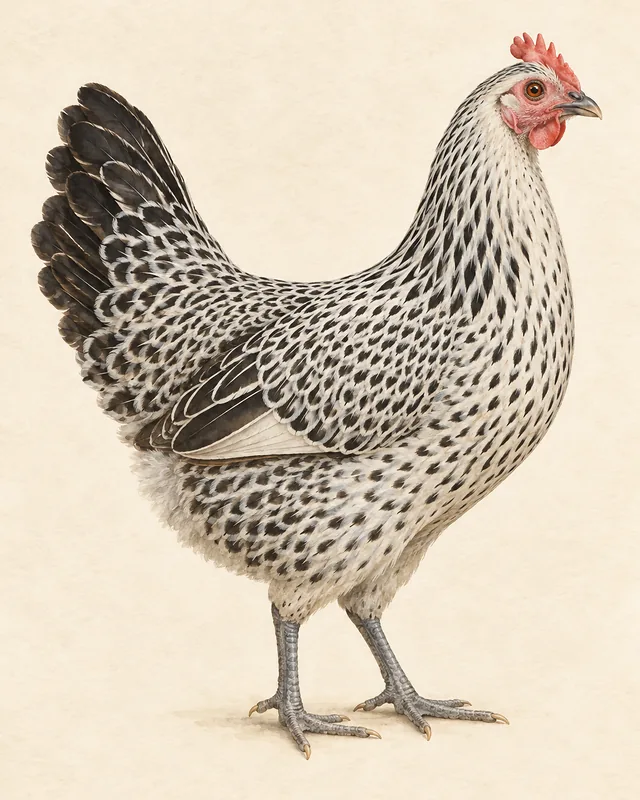
Egyptian Fayoumi
Very active, excellent-foraging layer suited to keepers prioritizing range behavior over docility.
Breed choice cannot overcome inadequate housing. Use the coop calculator and local welfare guidance to determine how many birds your space can actually support.
Why the planner may give you a different answer
This page ranks one narrow use case. The interactive planner also considers coop and run capacity, egg needs, household handling, broodiness, desired egg colors, breed diversity, and other priorities. A breed that ranks highly here can still be a weaker whole-flock fit for a particular household.
Frequently asked questions
What chickens are best for a small backyard?
Smaller or medium birds with good confinement tolerance and manageable temperaments tend to fit small yards best. Your actual coop and run dimensions should determine flock size.
Can large chicken breeds live in small coops?
A large breed can live successfully in a modest backyard if the coop and run provide enough usable space, but fewer birds will fit safely and comfortably.
Does free-ranging make a small coop acceptable?
Outdoor access helps, but it does not remove the need for adequate indoor roosting, nesting, ventilation, and bad-weather space.
Sources represented in this ranking
- The Livestock Conservancy: Cochin Chicken
- Cream Legbar Club: Legbar Breed Overview
- The Livestock Conservancy: Faverolles Chicken
- The Livestock Conservancy: Quick Reference Guide to Heritage Chickens
- The Livestock Conservancy: Langshan Chicken
- The Livestock Conservancy: Rhode Island White
- The Livestock Conservancy: Russian Orloff Chicken
- Mississippi State University Extension: Poultry Beginnings: Raise Your Own Backyard Chickens
- The Livestock Conservancy: Hamburg Chicken
- Utah State University Extension: Managing Chickens From Chicks to Peak Egg Production
- Mississippi State University Extension: Choosing the Right Breed for Your Backyard Flock